
The packaging industry is undergoing a high-tech revolution as companies adopt automation, artificial intelligence (AI), the Internet of Things (IoT), blockchain, and robotics to modernize their operations. These innovations are streamlining production, reducing costs, and driving sustainability. In an era of e-commerce growth and rising consumer expectations for eco-friendly practices, embracing digital transformation is becoming essential for packaging businesses. Sustainability initiatives (like zero-waste and carbon-neutral goals) and smart technologies (IoT devices, augmented reality) are already reshaping packaging’s future .
This article explores how key technologies are transforming packaging in the United States – and provides actionable insights for decision-makers to stay competitive and meet their sustainability targets.
Automation Streamlines Packaging Production
Packaging operations have long relied on machinery, but modern automation takes it further with advanced robotics and integrated systems that boost efficiency across the packaging line. Automated systems can handle repetitive tasks like carton erecting, filling, sealing, and palletizing much faster and more accurately than manual labor. This improves throughput and consistency while lowering labor costs and error rates. Crucially, automation also helps address workforce challenges – it fills the gap amid labor shortages and can enhance worker safety by taking over strenuous or dangerous tasks .
For example, automated changeover systems minimize line downtime, and robots relieve employees from repetitive motions, reducing injuries . The business case for packaging automation is growing: global demand for packaging automation is forecasted to reach $161 billion by 2033 , reflecting how companies are investing in technology to drive productivity, efficiency, and even sustainability efforts. As the cost of sensors, robots, and vision systems falls, automation is becoming more affordable , letting even mid-sized manufacturers deploy smart packaging lines.
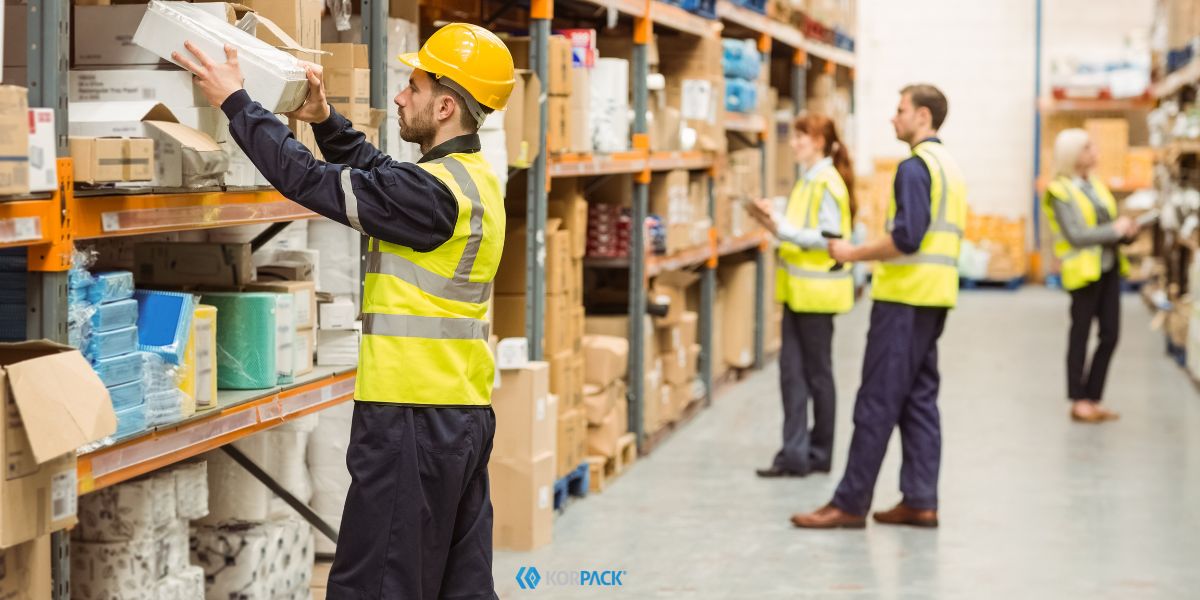
Beyond the packaging line itself, automation extends into warehouses and distribution. For instance, Amazon employs over 750,000 warehouse robots to move inventory and even automate boxing of orders, enabling it to handle huge order volumes efficiently .
AI & Machine Learning for Quality Control and Maintenance
How AI is Used in Packaging
AI is transforming the packaging industry by improving quality control, predictive maintenance, and process optimization. AI systems analyze thousands of images per second to detect flaws in packaging that the human eye might miss .
A major benefit of AI in packaging is predictive maintenance. AI-based predictive maintenance uses sensors (vibration, temperature, etc.) on these machines and analyzes the data to predict when a part might fail. By monitoring equipment health in real-time, AI systems can alert staff to perform maintenance before a breakdown occurs .
Machine learning models also optimize packaging designs, ensuring materials are used efficiently while maintaining strength, reducing waste, and improving sustainability .
IoT and Smart Packaging for Real-Time Tracking & Consumer Engagement
What is Smart Packaging?
Smart packaging includes sensors, RFID tags, and QR codes that communicate real-time data about a product’s status, location, and integrity .
Benefits of IoT in Packaging
- Improves Supply Chain Visibility: Track shipments in real time.
- Enhances Product Safety: Monitors temperature and humidity for sensitive items.
- Boosts Customer Engagement: QR codes provide instant product information .
During the COVID-19 vaccine rollout, Pfizer used IoT sensors in packaging to monitor and maintain ultra-cold temperatures, ensuring safe vaccine distribution .
Blockchain Ensures Transparency and Supply Chain Security
Blockchain technology is emerging as a powerful tool for packaging supply chain transparency and security. In a complex supply chain, blockchain can record each step a packaged product takes, from raw material sourcing to retail shelf.
One major application is traceability for safety and authenticity. Walmart has implemented a blockchain system for food packaging and produce traceability, cutting the time to trace a package of mangoes from farm to store from 7 days to just 2.2 seconds .
Blockchain is also being used to verify sustainability claims, ensuring that materials used in packaging are genuinely sourced from sustainable sources .
Sustainable Packaging Innovations
How Technology is Driving Sustainability in Packaging
With increasing pressure to reduce waste, companies are using technology to create eco-friendly packaging solutions. Some key trends include:
- Biodegradable & Compostable Materials: Made from plant-based plastics and seaweed-derived polymers.
- Lightweight Packaging: AI optimizes designs to use less material.
- Smart Labels for Recycling: Consumers scan QR codes for recycling instructions.
Challenges & Opportunities in Adopting New Packaging Technologies
Key Challenges
- High Initial Costs: Upgrading to automation and AI requires investment.
- Training and Workforce Adaptation: Employees need training on new technology.
- Integration with Existing Systems: Legacy equipment may need upgrades .
Opportunities for Businesses
- Faster ROI: Many companies recover investment through reduced waste and labor costs.
- Competitive Advantage: Tech adoption leads to more efficient operations.
- Customer Trust: Transparency through blockchain and smart packaging boosts brand credibility .
Conclusion: The Future of Packaging is Here
The U.S. packaging industry stands at a transformative moment. Automation, AI, IoT, blockchain, and sustainable materials are redefining how products are packaged, distributed, and consumed. Businesses that embrace these innovations will gain a competitive edge by reducing costs, improving efficiency, and meeting sustainability goals .
Key Takeaways for Decision-Makers
- Invest in Automation: Essential for cost-effective production.
- Leverage AI & IoT: Improve quality control and real-time tracking.
- Use Blockchain for Transparency: Ensure product authenticity and sustainability claims.
- Prioritize Sustainable Packaging: Meet consumer demand and regulatory requirements.
By taking proactive steps now, companies can modernize their packaging operations, improve customer trust, and contribute to a more sustainable future.