

When a Retail Order Outruns Your Line: Overflow Pack-Out Without Missing the Window
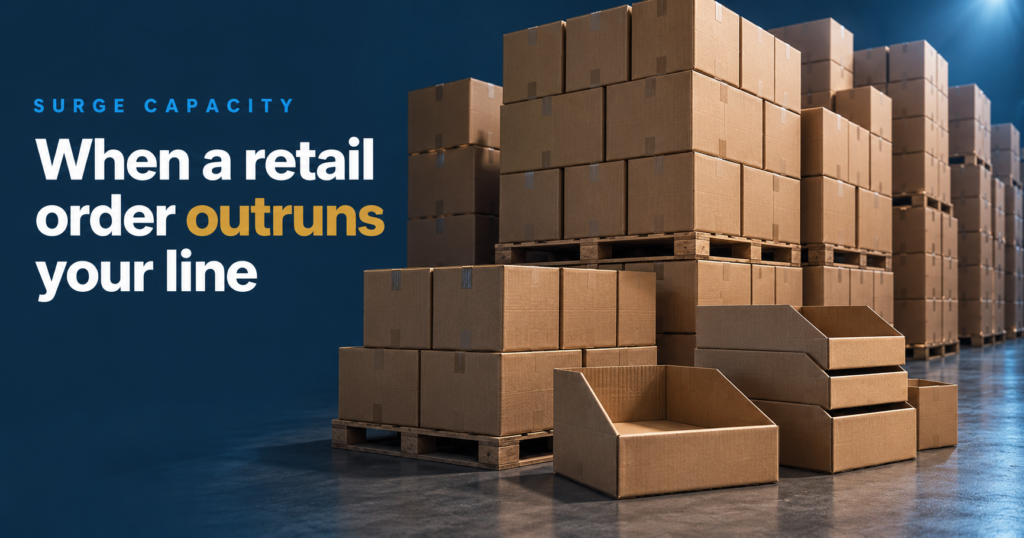
Here is a good problem that feels like a bad one at two in the afternoon on a Tuesday. A retail order came in larger than forecast, or a promotion took off, or a product went viral, and now the demand is real and the window is close. The product exists. The materials exist. What […]
Recall, Rework, or Relabel: How to Tell Which One Your Product Actually Needs
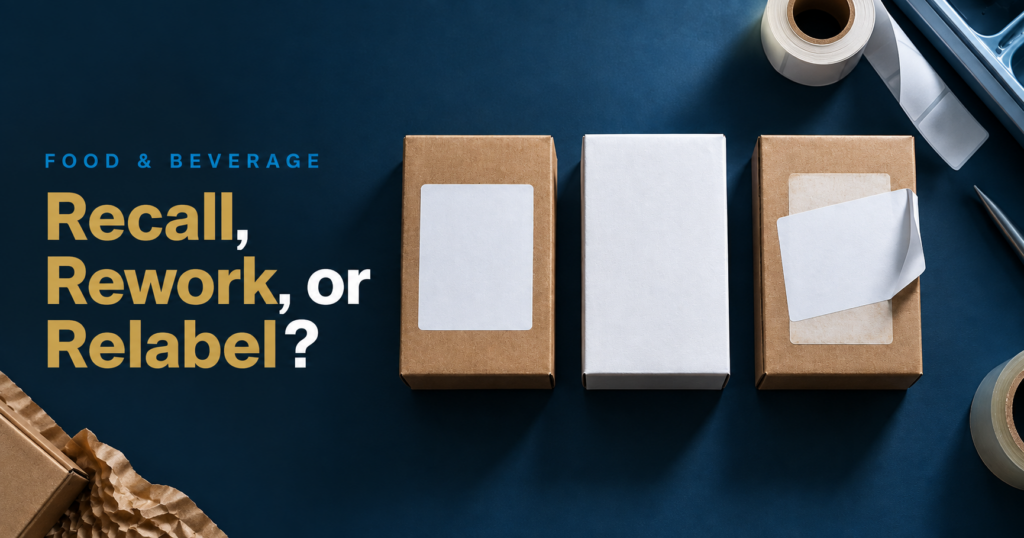
When something is wrong with product that has already left the line, the first job is to name the problem correctly, because the words carry very different weight. A recall is a regulated event with reporting obligations. A market withdrawal is not the same thing. And relabeling or reworking is the physical fix that may […]
Retailer Rejected Your Shipment at the DC? Here Is What Actually Happens Next
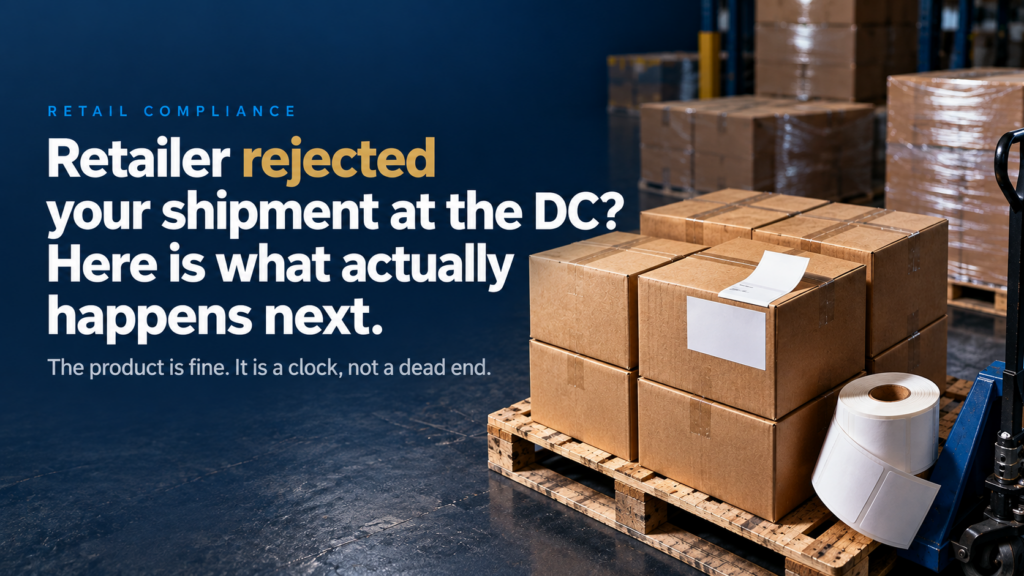
You get the call nobody wants: the shipment was refused at the retailer’s distribution center. The product is fine. The truck made it. But something about how the load was labeled, palletized, or documented did not match the retailer’s spec, and the DC turned it away at the dock. Now there is product in limbo, […]
What Is a Repack, and When Do You Actually Need One?
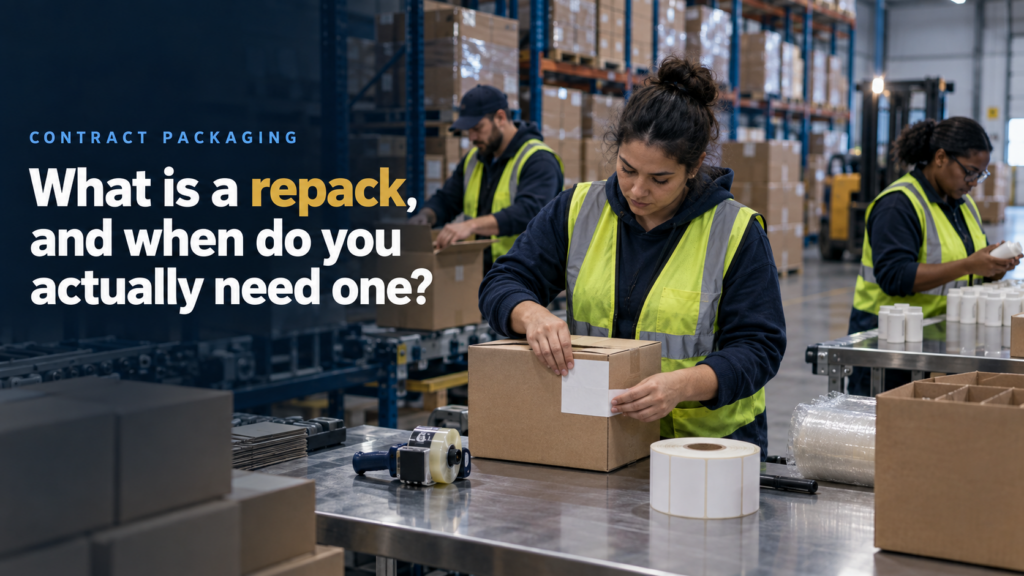
Somewhere in a warehouse right now, there is finished product that cannot ship. The label is wrong, or a date code is off, or the case pack does not match what a retailer will accept, or a quality hold froze a lot in place. The product itself is fine. It just cannot leave in the […]
Cheese Is Alive, and Its Packaging Has to Respect That

Most food packaging has one job: keep the outside world out. Cheese is more complicated, because cheese is, in a real sense, still alive. Aged cheeses carry living cultures that keep working after the cheese leaves the make room, producing carbon dioxide as they mature. Seal that cheese in a fully airtight pack and it […]
“Recyclable” Is No Longer Something You Can Just Claim. Now You Have to Prove It.

For years, calling a package recyclable was a marketing decision. You put the chasing-arrows symbol on the box, and that was that. That era is ending, and a run of developments in 2026 makes the direction unmistakable: recyclability is becoming a claim you have to substantiate with real-world data, not a label you can simply […]
Packaging Electronics: The Damage You Cannot See Is the One That Costs You

Most packaging problems announce themselves. A crushed corner, a torn carton, a cracked bottle: you can see the damage and count the loss. Electronics are different, and that is what makes them dangerous to ship. The two forces most likely to ruin a circuit board or a semiconductor, electrostatic discharge and moisture, leave no visible […]
PFAS Is Being Banned From Fiber Food Packaging. Is Yours Compliant?
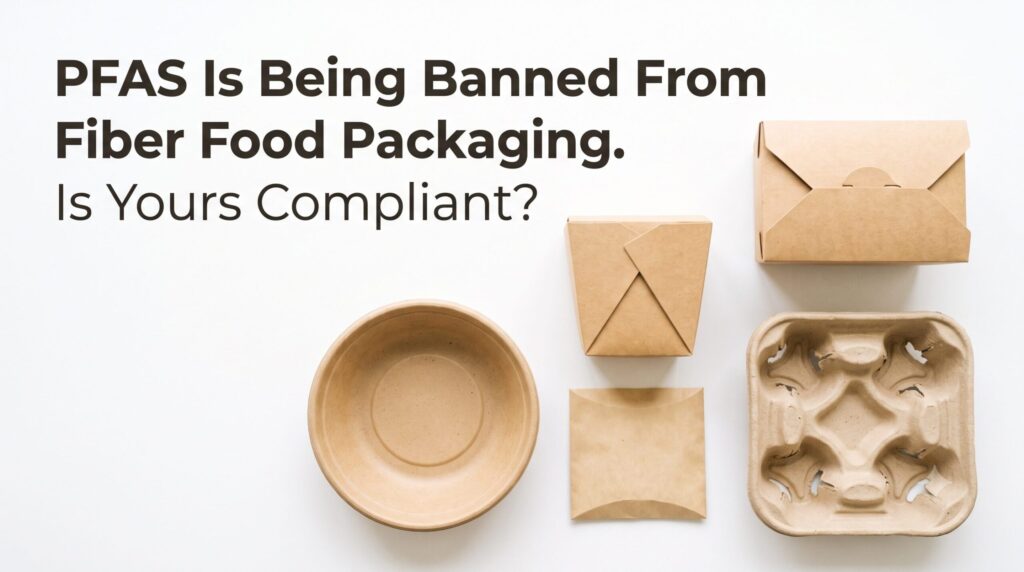
If your product ships in paper, paperboard, or molded-fiber packaging that has to resist grease or moisture, there is a regulatory change worth your attention right now. On May 25, 2026, Maine began prohibiting the sale of plant-fiber food-contact packaging that contains intentionally added PFAS. It is one of at least a dozen states that […]
Beverages Are Heavy, and E-Commerce Is Brutal
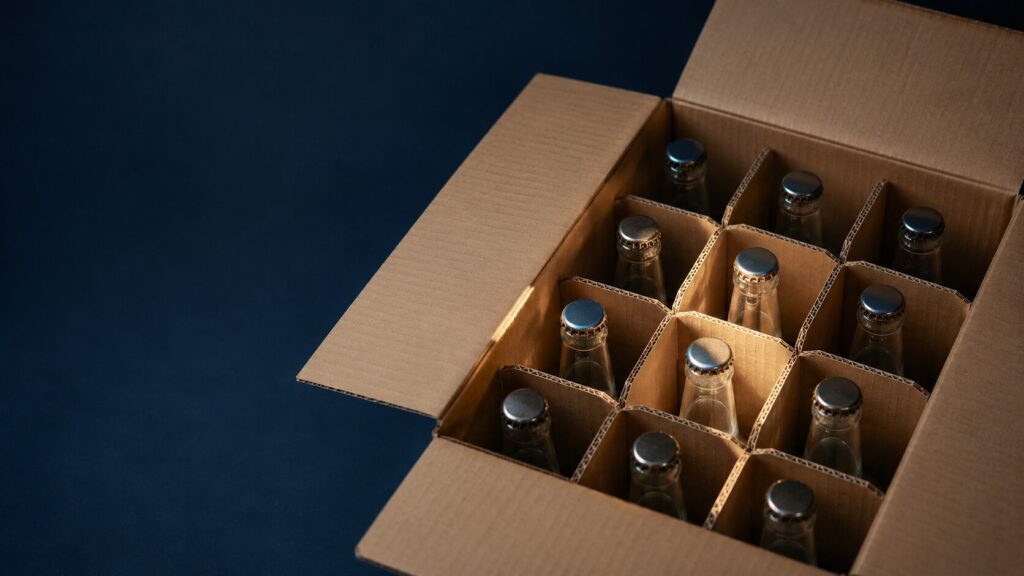
Selling beverages online is one of the fastest-growing channels in the category, and one of the most punishing. A product that ships fine on a pallet to a store behaves very differently as a single parcel bouncing through a sortation network to someone’s doorstep. Liquid is heavy, glass is fragile, and a single broken bottle […]
From Bulk Protein to Retail-Ready: Filling and Packing Meat Snacks at Scale
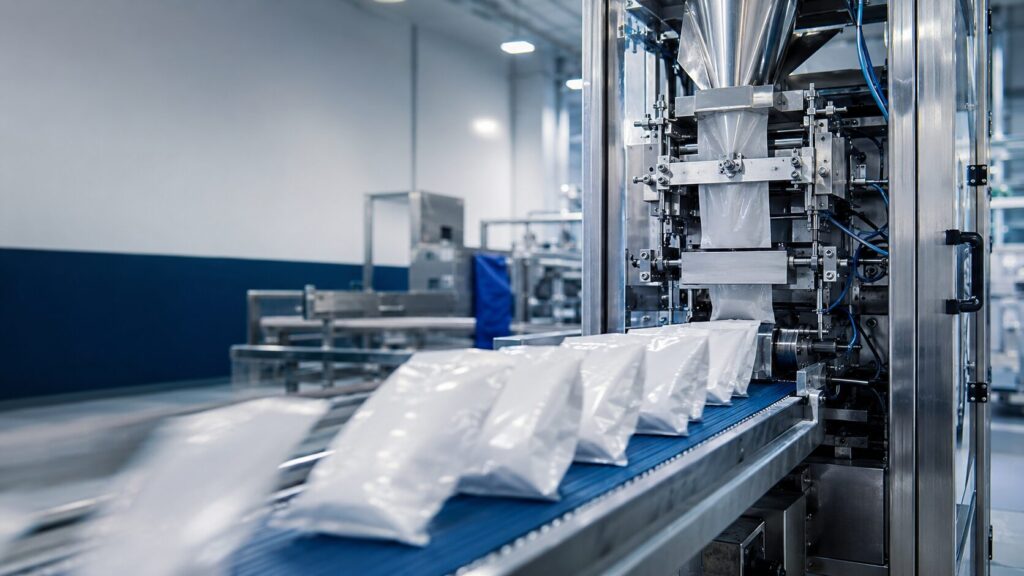
You have finished product, safe, shelf-stable jerky or meat sticks. Now it has to become thousands of sealed, dated, retail-ready packs, and then cases and pallets, without losing shelf life or blowing the budget. That step, filling and packing at scale, is a real operation with real equipment, and it is where a lot of […]