

Meat Snacks Are USDA Territory: What That Means for Your Co-Packer

Most packaged foods in the US are regulated by the FDA. Meat and poultry are not. They fall under the USDA, and the difference is not a technicality: it changes what your co-packer has to be, how the facility is inspected, and what you need to verify before you hand over your product. If you […]
The Packaging Playbook for the Protein-Snack Boom
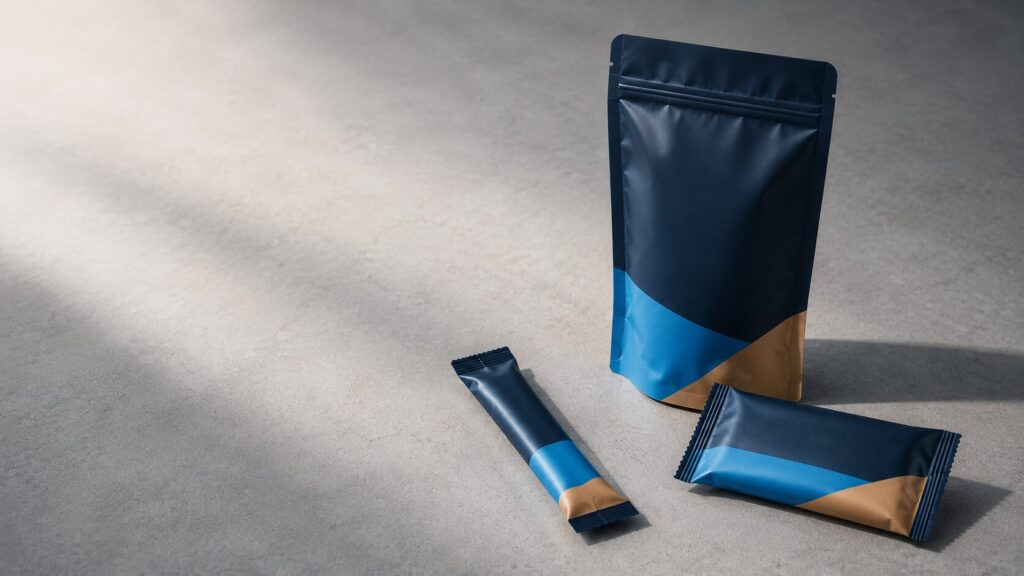
The meat snack category is booming, and it is diversifying fast. Sales have grown more than 45% in four years to $4.4 billion, beef is making room for pork, poultry, and exotic proteins, and a wave of new brands and SKUs is hitting the shelf. For a growing protein-snack brand, packaging is where that growth […]
Why Meat-Snack Packaging Is All About the Barrier

For a meat snack, the package is not just a wrapper. It is the thing standing between a high-protein product and the oxygen, moisture, and grease that would ruin it. Jerky, sticks, and protein bites are among the most demanding products in all of flexible packaging, and clean-label products made with fewer preservatives depend on […]
The four packaging challenges that decide whether high-value electronics arrive intact, clear customs, and ship consistently

For electrical and electronics manufacturers, packaging is where four separate problems meet: fragile, high-value products that damage easily in transit; export shipments that can be held at a border over a compliance detail; manual packing that protects inconsistently; and a fragmented set of vendors that makes all of it harder to manage. Each of these […]
Can Your Co-Packer Handle a 50% Holiday Spike?

Food and beverage demand does not arrive in a smooth line. A holiday promotion can triple volume in a week. A retailer reset, a viral moment, or a seasonal swing can spike orders far above forecast, then drop them just as fast. The question that decides whether a co-packer is a partner you grow with […]
What an SQF-Certified Co-Packer Actually Gives You
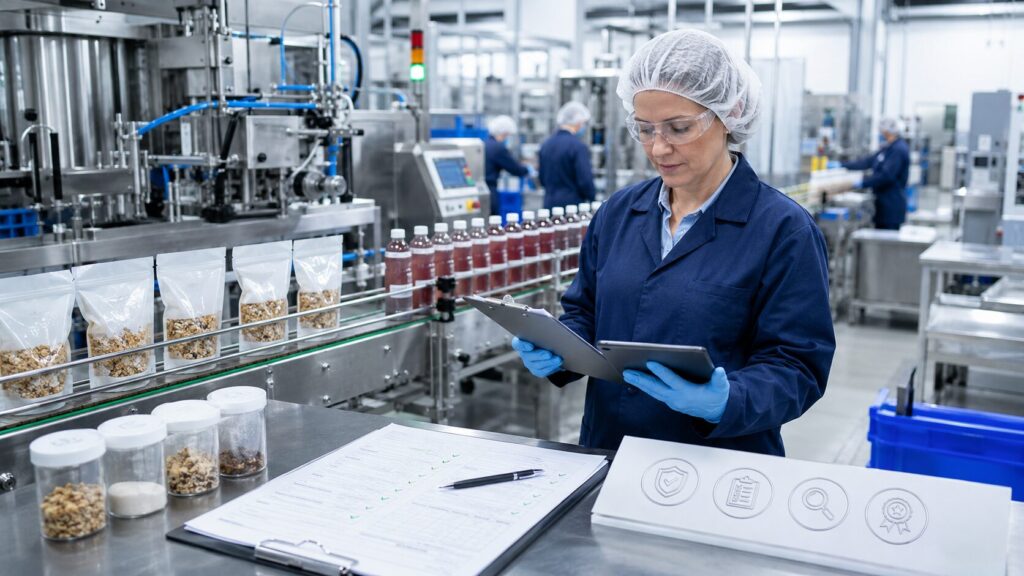
When a food or beverage brand outsources packaging to a co-packer, it is also outsourcing its food-safety risk and its retail-audit readiness. If the co-packer is certified, the brand can prove its product was handled to a recognized standard. If the co-packer is not, the brand inherits the gap, and a retailer audit can surface […]
Your Best Packer and Your Worst Packer Are the Same Person
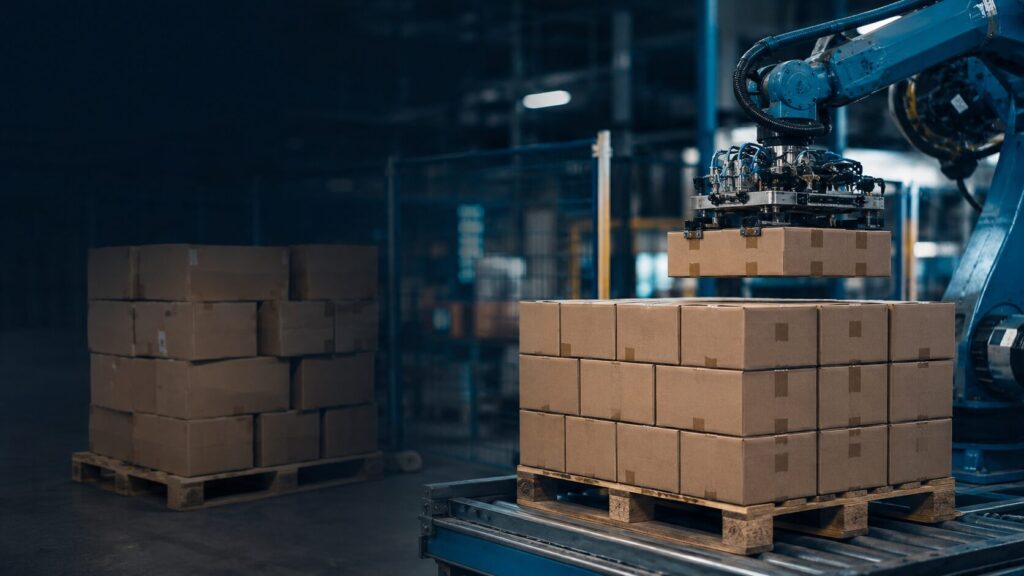
Watch the same person hand-pack fragile components at 8 a.m. and again at 4 p.m. and you will see two different jobs. The morning crate is square, the cushioning is seated, the count is right. The afternoon one is close enough. Neither worker is careless. They are tired, the line is behind, and the last […]
What Is ISPM 15? A Plain-Language Guide for US Manufacturers and Exporters
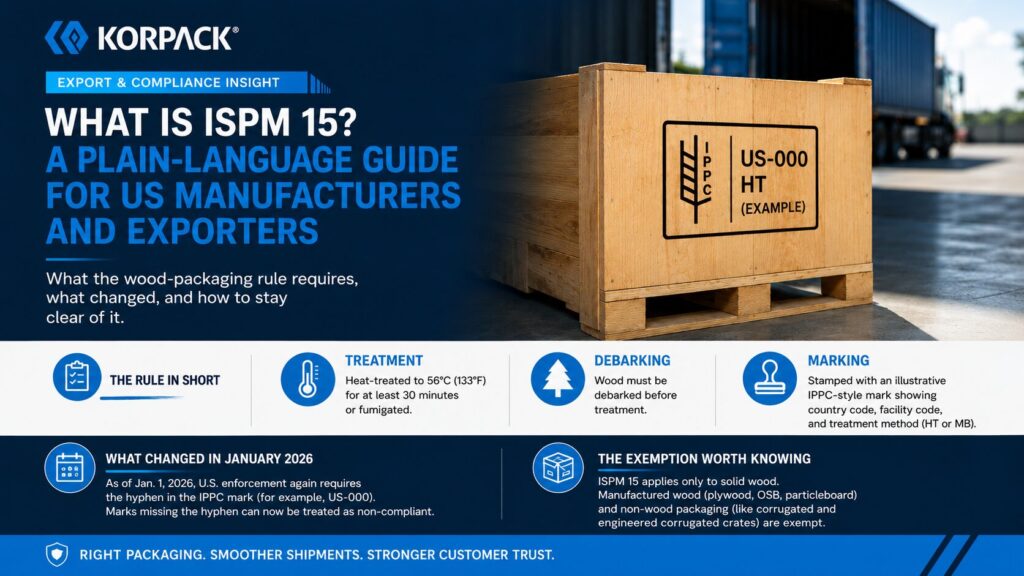
A transformer bushing leaves your dock in good shape. Three weeks later it reaches a customer in another country, they open the crate, and the porcelain is cracked. Now you are re-machining the part, paying air freight to get the replacement there fast, running the customs paperwork a second time, and processing a warranty claim. […]
The Damage You Pay For Happens After the Truck Leaves – In-Transit Damage Protection for High-Value Electrical Manufacturers

A transformer bushing leaves your dock in good shape. Three weeks later it reaches a customer in another country, they open the crate, and the porcelain is cracked. Now you are re-machining the part, paying air freight to get the replacement there fast, running the customs paperwork a second time, and processing a warranty claim. […]
The US Contract Packaging Market Is Doubling by 2035. What the Winning Co-Packers Are Doing Differently.
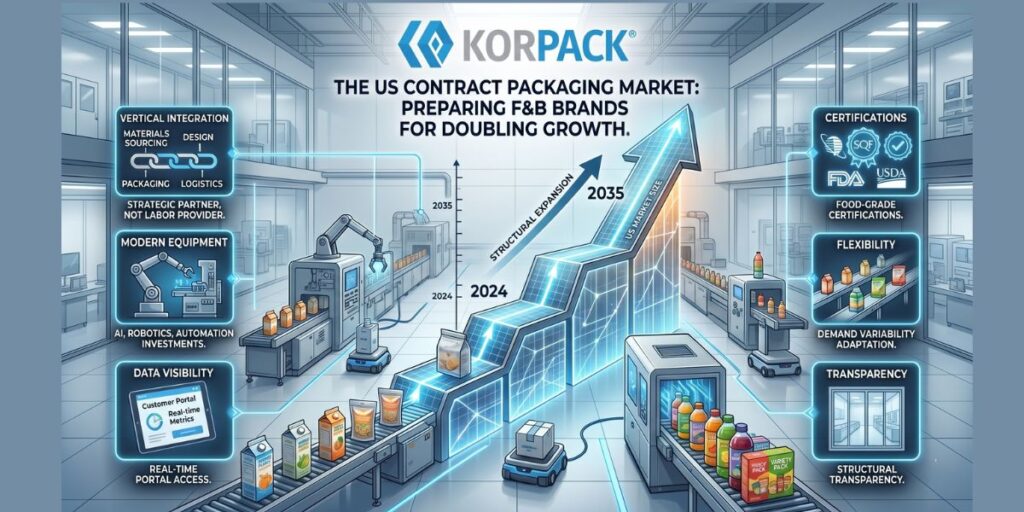
The US contract packaging market is in the middle of a structural expansion, not a post-pandemic spike. Independent forecasts from Mordor Intelligence and Precedence Research both project the US market roughly doubling over the next eight to ten years, driven by F&B brands and other consumer packaged goods companies outsourcing more of their packaging operations […]