

With Chemicals, the Package Protects the World From the Product, Not the Other Way Around
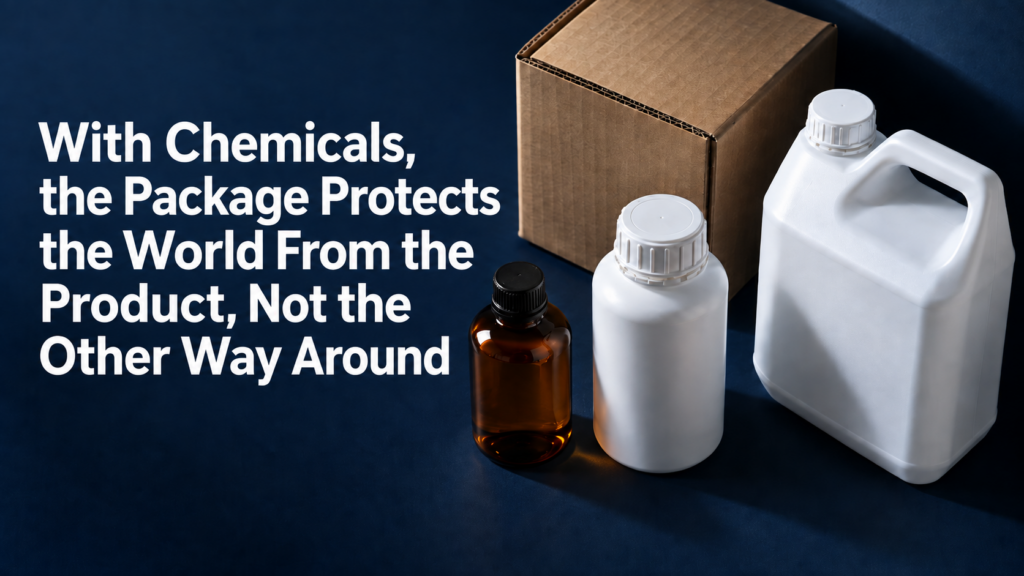
Most packaging exists to protect a product from the world around it: from air, moisture, light, or damage. Chemicals and many household liquids flip that relationship on its head. Here, the product is the dangerous thing, and the package has two jobs that ordinary packaging never faces. It has to protect people and the environment […]
Coffee Is the One Food You Cannot Just Seal in a Bag
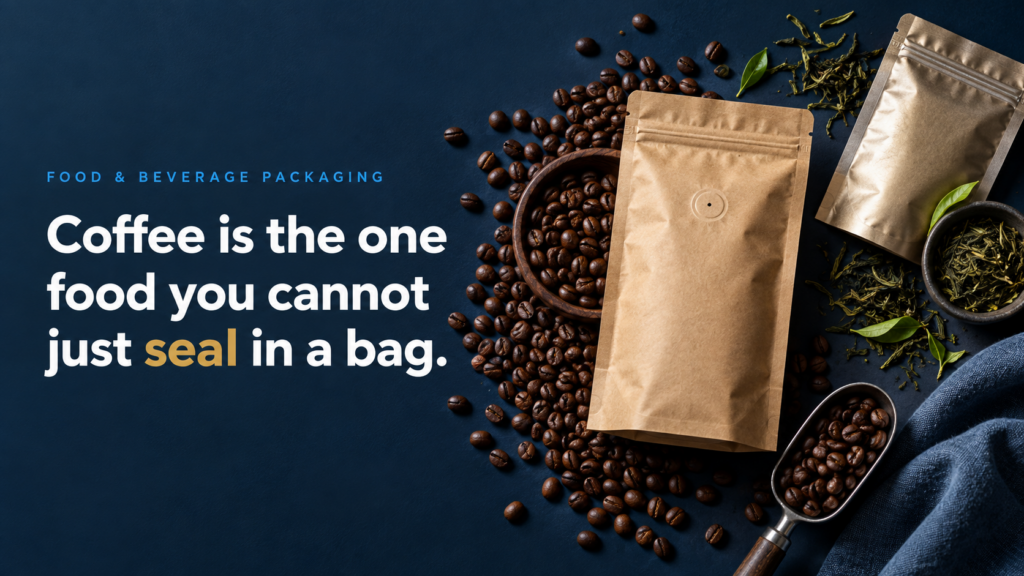
Here is a packaging problem that almost no other food has. Most products want to be sealed away from the air as completely as possible. Roasted coffee cannot be, at least not right away, because it is still actively giving off gas. Roasting builds up carbon dioxide inside the bean, and that gas keeps escaping […]
Nobody Stops a Production Line Over a Box. They Stop It Over a Missing Screw.
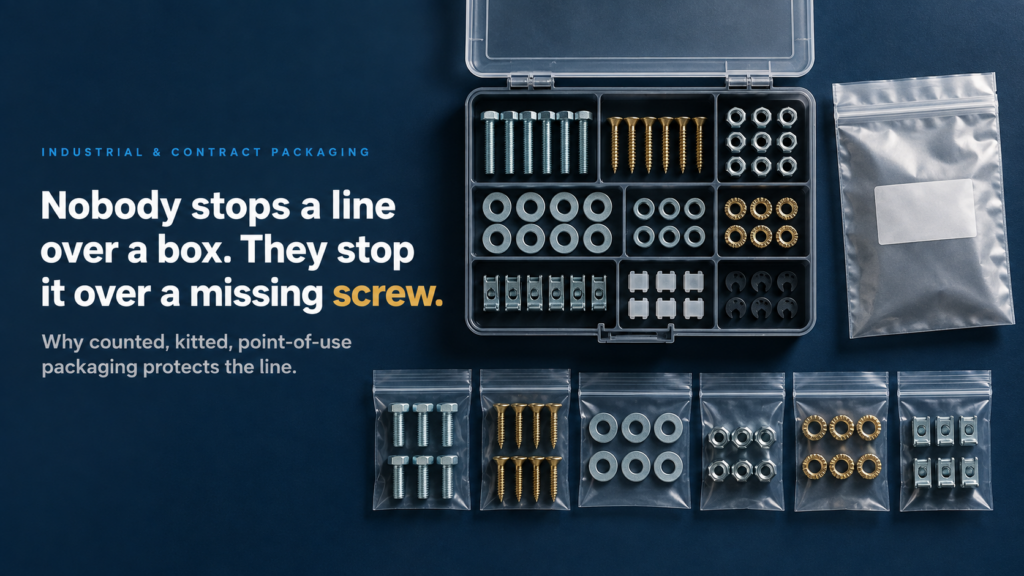
A screw costs a few cents. A stopped assembly line costs a great deal more than that per minute. That gap is the entire reason small-parts packaging matters, and it is why the packaging around fasteners and components is a fundamentally different problem from the packaging around a finished product. A carton protects what is […]
Your Spice Is Not Spoiling. It Is Fading. The Packaging Decides How Fast.
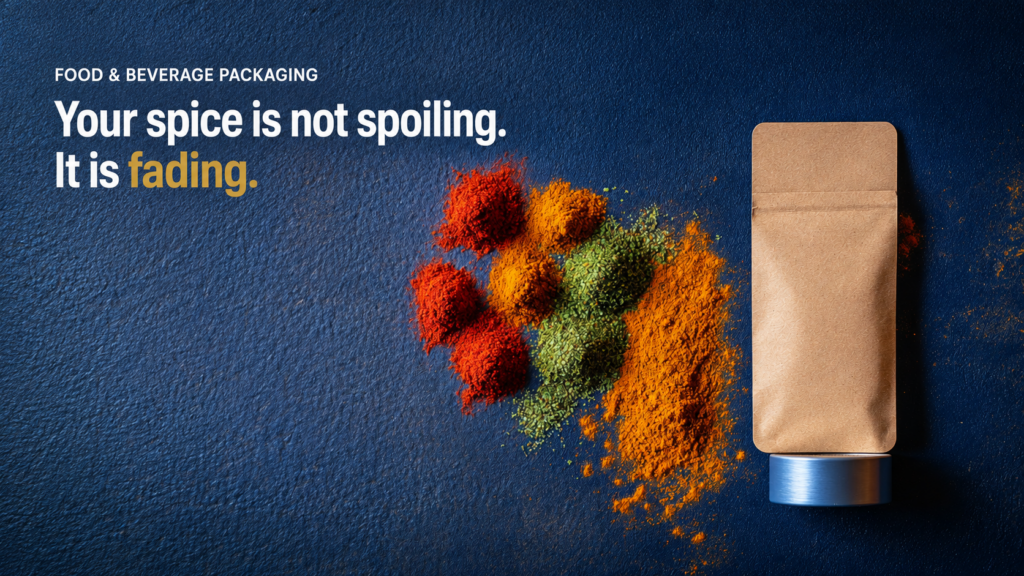
Most food packaging is a fight against spoilage. Spices are different, and the difference changes everything about how they should be packaged. A dry seasoning does not really spoil. Kept dry, it stays safe to eat for years. What it loses, quickly and invisibly, is the aroma, the color, and the potency that are the […]
The Packaging Decisions That Quietly Break When You Scale Into National Retail
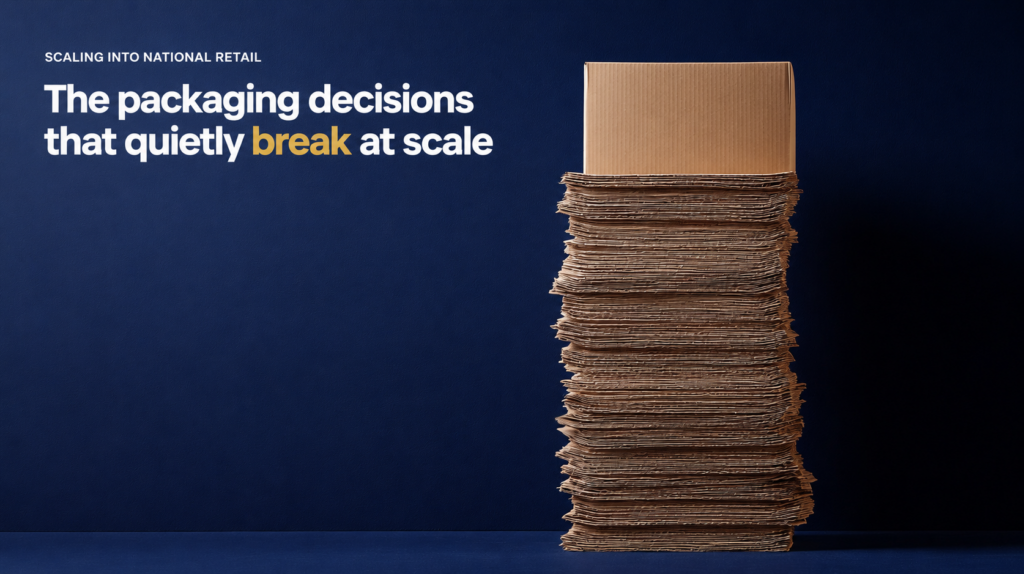
Scaling a brand into national retail does not usually break because of one big, obvious mistake. It breaks because of a handful of small packaging decisions that were completely reasonable at low volume and quietly stop working at high volume. The box that was fine for a few pallets. The single carton size that covered […]
Your Co-Manufacturer Just Became Your Bottleneck. Now What?
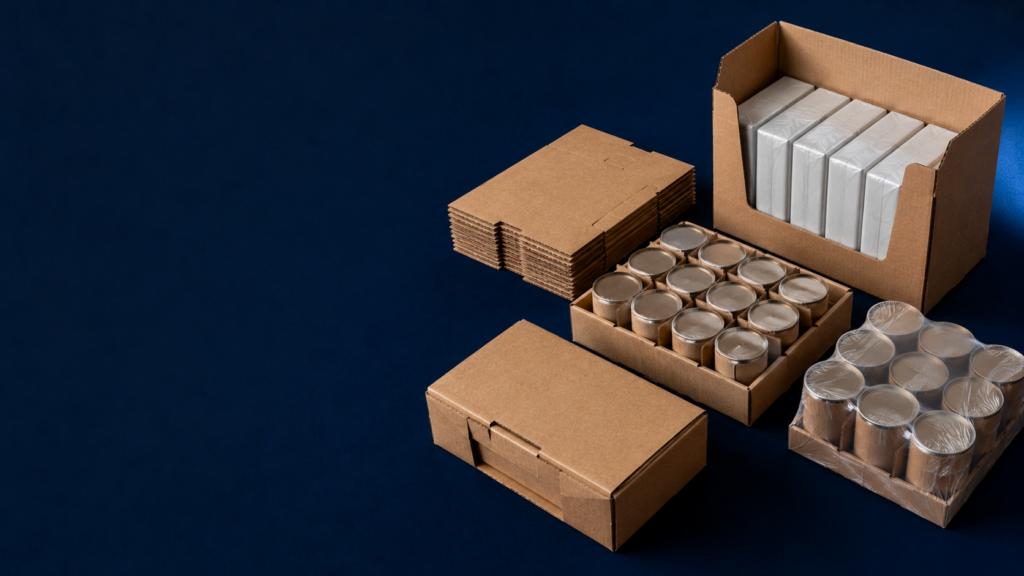
Here is a failure mode we see constantly, and it almost always arrives disguised as good news. A brand wins a big retail expansion, a new chain, a bigger footprint, a national reset, and within weeks discovers that the packaging arrangement that carried it to that win cannot handle what the win requires. The co-manufacturer […]
Shipping Heavy Parts: The Box Gets the Attention, the Dunnage Does the Work
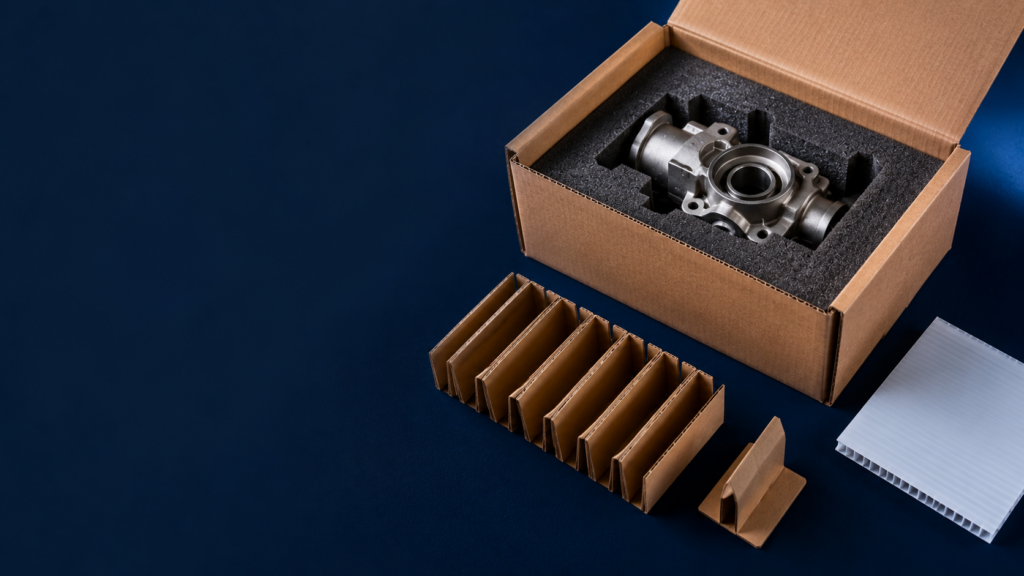
When most people picture protective packaging, they picture the box. In automotive and industrial shipping, the box is the least of it. The real work of getting a heavy, precise, expensive part from a supplier to an assembly line intact is done by what is inside the box: the dunnage, the inserts, the cushioning, and […]
Fresh Grab-and-Go Packaging Has Seconds to Do Three Jobs at Once
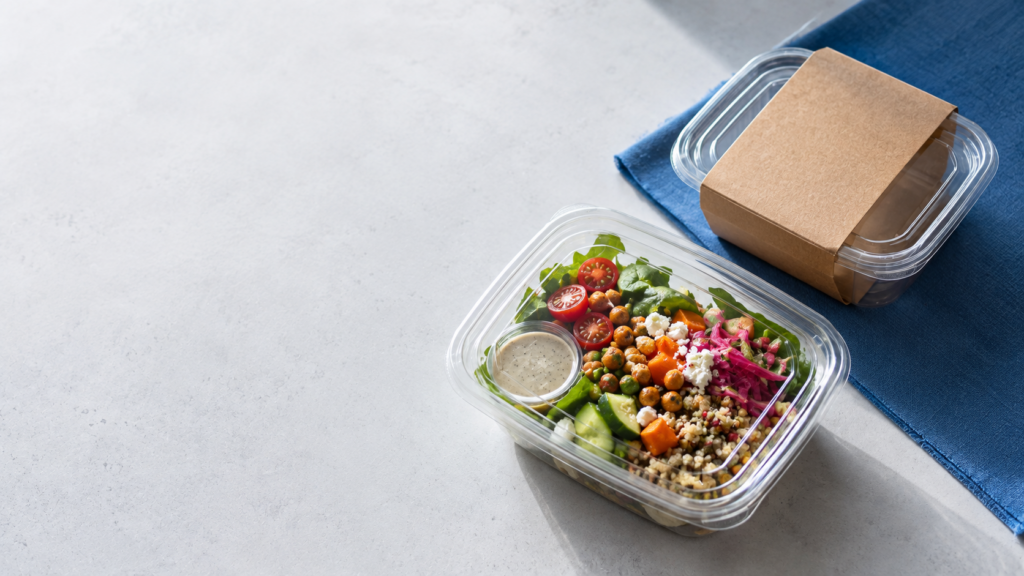
Fresh prepared foods are one of the fastest-growing categories in grocery and foodservice, and they are also one of the most demanding to package. A salad, a sandwich, a chilled meal, or a deli side has to do three different jobs at the same time, on a short clock. It has to stay fresh, because […]
Bakery Packaging Has Two Jobs, and They Pull in Opposite Directions
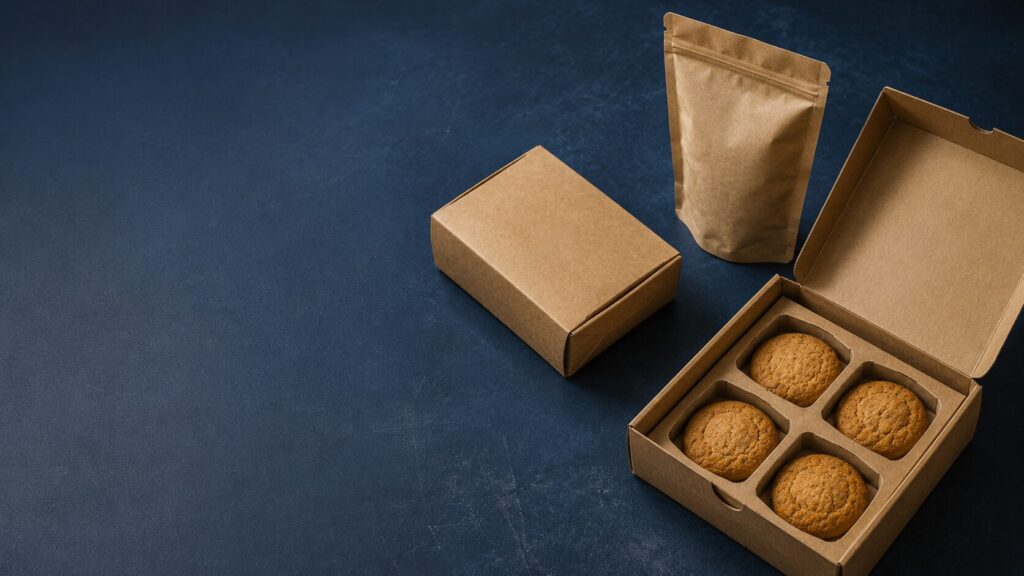
Baked goods are one of the hardest categories to package well, because they fail in two completely different ways. A cookie can arrive in perfect condition and taste stale. Or it can taste perfect and arrive in pieces. The first is a barrier problem, the second is a structural one, and a brand that solves […]
Frozen Food Packaging Is Going Fiber. The Freezer Does Not Make It Easy.
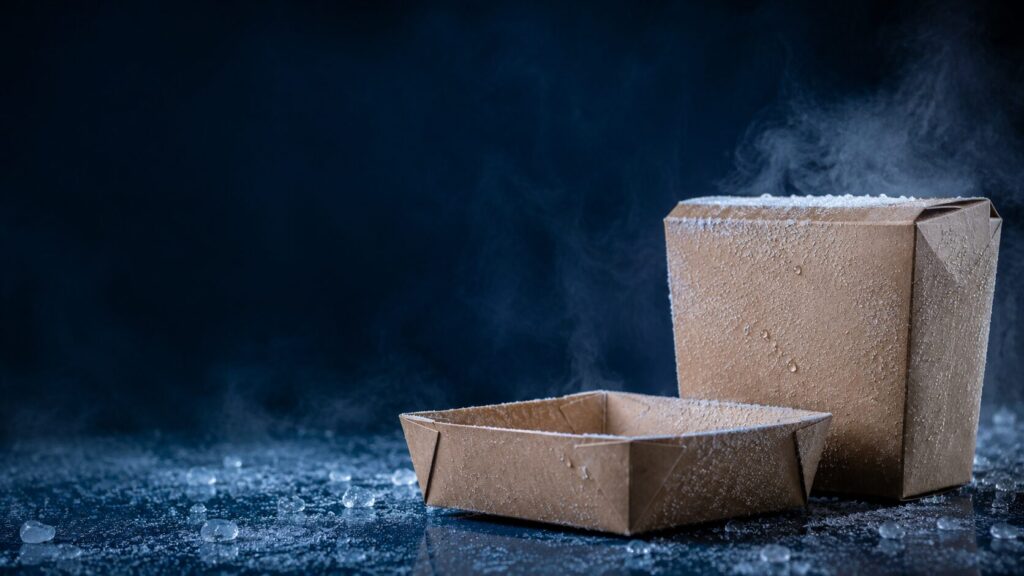
The freezer aisle is one of the fastest-growing corners of the grocery store, and it is also one of the hardest on packaging. Frozen and prepared foods put their packaging through an unusual combination of stresses: sub-zero cold that makes materials brittle, condensation that soaks and weakens fiber, and long frozen distribution that crushes weak […]