

Why Your Boxes Crush When You Stack Them: Grain Direction and Compression Strength
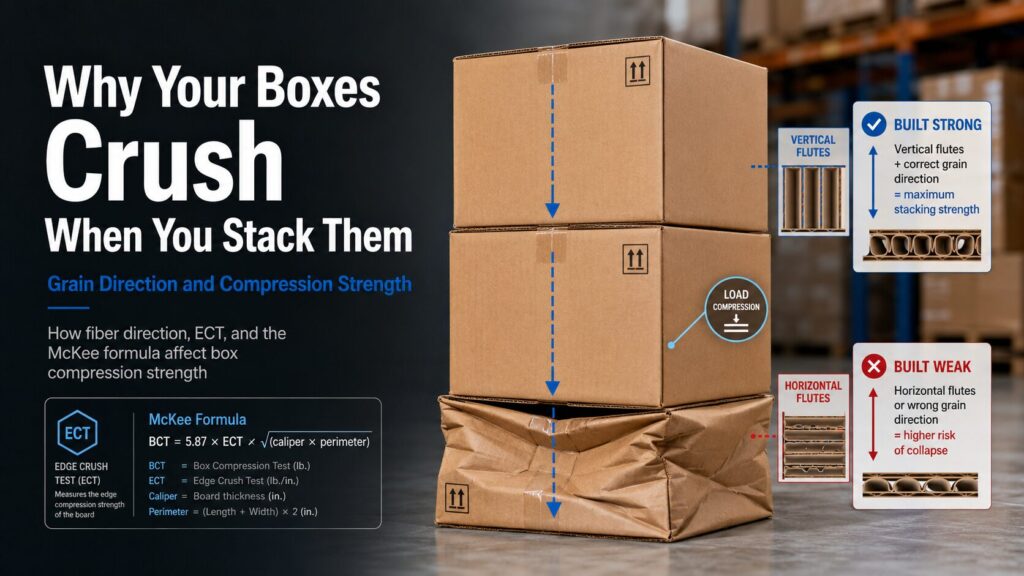
A corrugated box gets most of its stacking strength from one thing: the direction its fibers and flutes run. Paper is far stronger along the grain than across it, and corrugated flutes are far stronger standing vertically than lying flat. Get those two directions right and a box carries the load above it. Get them […]
Your Best Packer and Your Worst Packer Are the Same Person
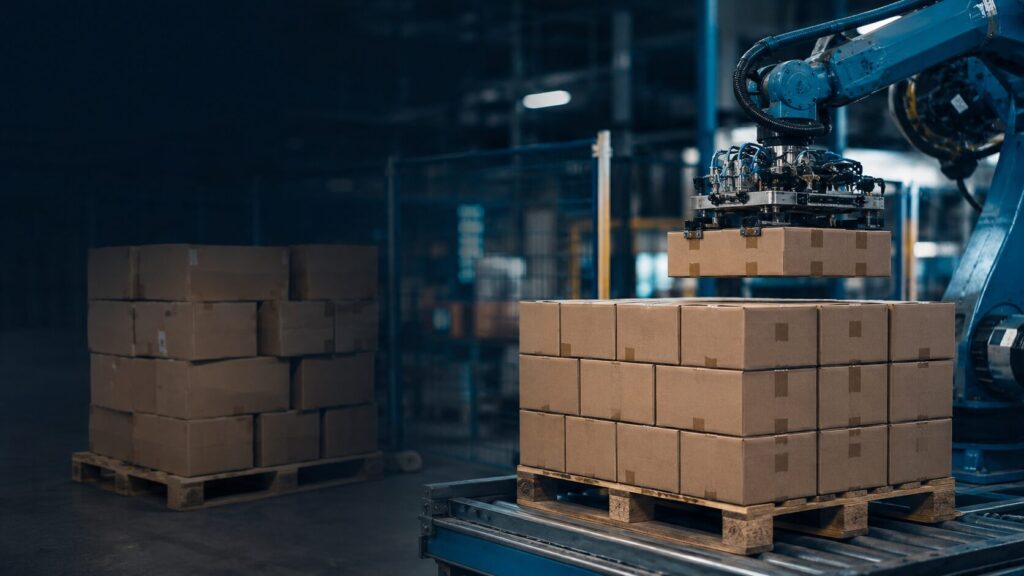
Watch the same person hand-pack fragile components at 8 a.m. and again at 4 p.m. and you will see two different jobs. The morning crate is square, the cushioning is seated, the count is right. The afternoon one is close enough. Neither worker is careless. They are tired, the line is behind, and the last […]
What Is ISPM 15? A Plain-Language Guide for US Manufacturers and Exporters
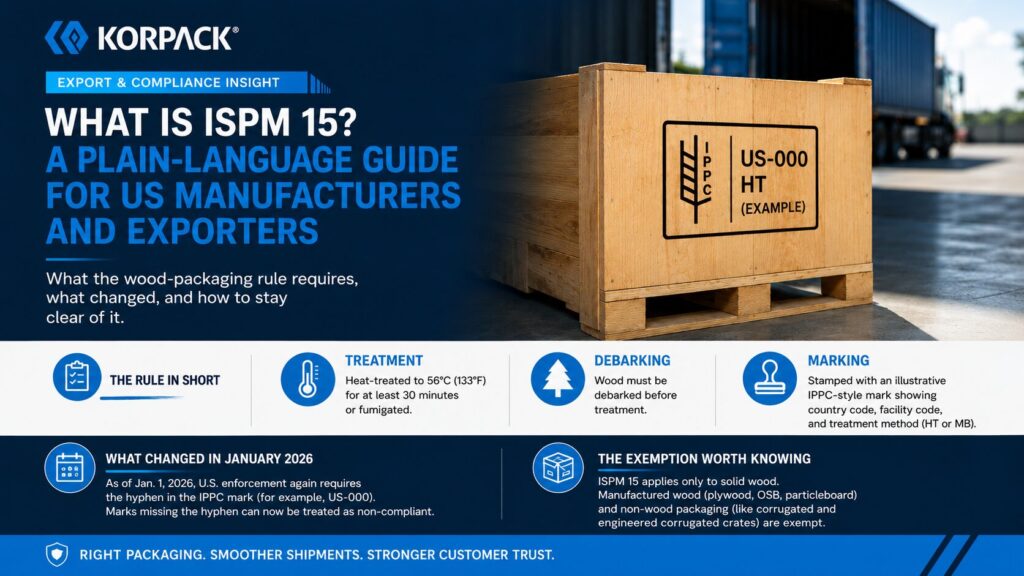
ISPM 15 is an international regulation that requires solid wood packaging, including pallets, crates, and dunnage, to be heat-treated or fumigated and stamped with an official mark before it can be used in cross-border shipments. Its purpose is to stop wood packaging from carrying insects and plant diseases from one country to another. If your […]
The Damage You Pay For Happens After the Truck Leaves – In-Transit Damage Protection for High-Value Electrical Manufacturers

A transformer bushing leaves your dock in good shape. Three weeks later it reaches a customer in another country, they open the crate, and the porcelain is cracked. Now you are re-machining the part, paying air freight to get the replacement there fast, running the customs paperwork a second time, and processing a warranty claim. […]
The US Contract Packaging Market Is Doubling by 2035. What the Winning Co-Packers Are Doing Differently.
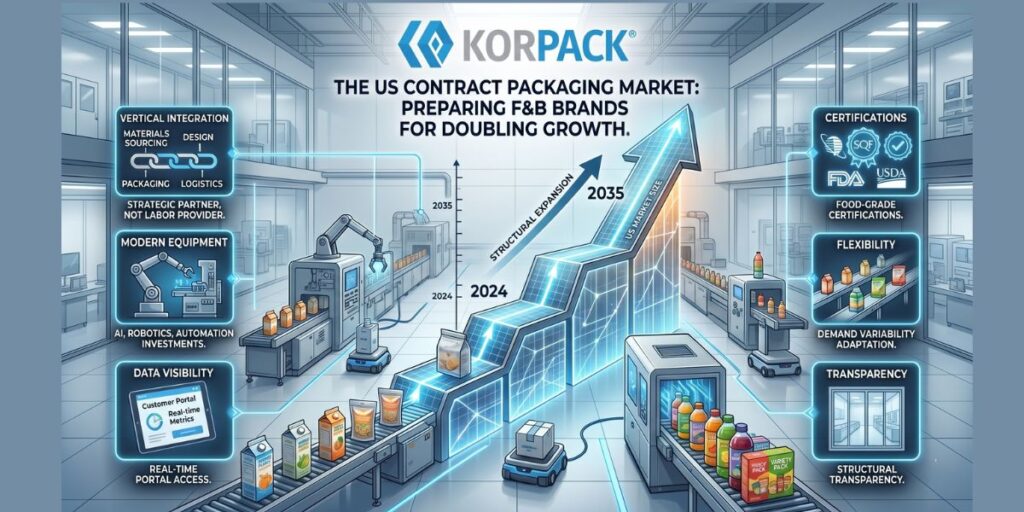
The US contract packaging market is in the middle of a structural expansion, not a post-pandemic spike. Independent forecasts from Mordor Intelligence and Precedence Research both project the US market roughly doubling over the next eight to ten years, driven by F&B brands and other consumer packaged goods companies outsourcing more of their packaging operations […]
US CPG Brands Now Demand Real-Time Data From Their Co-Packers. Can Yours Deliver?
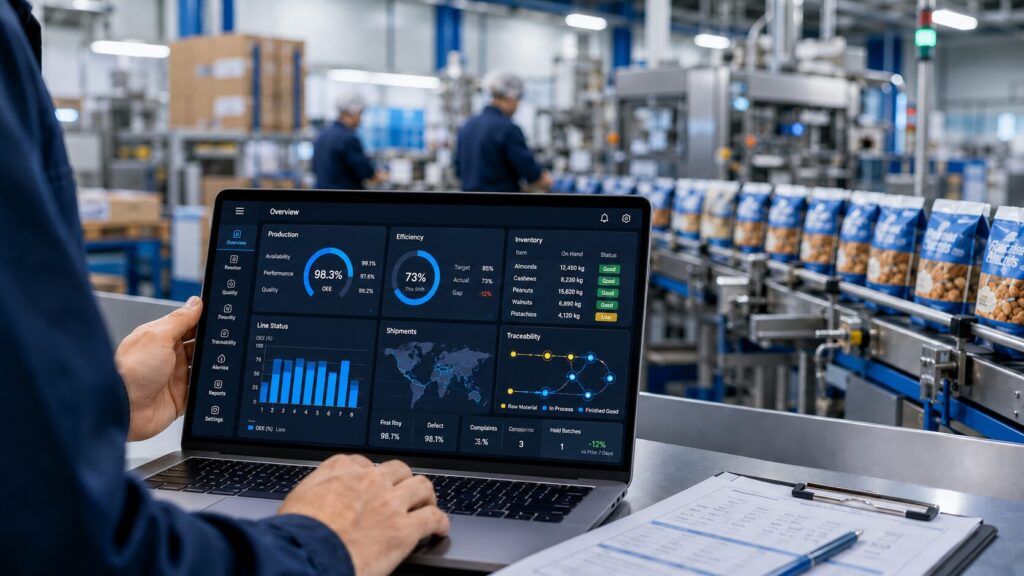
The Email That Used to Be Enough Isn’t Enough Anymore Five years ago, the relationship between a CPG brand and its co-packer looked like this: the brand shipped raw materials or product, the co-packer ran the line, the finished goods went out, and sometime in the following week or month, someone on the brand’s operations […]
Substantiated Sustainability – Why ‘This Box Is Recyclable’ Is No Longer Enough for F&B Brands
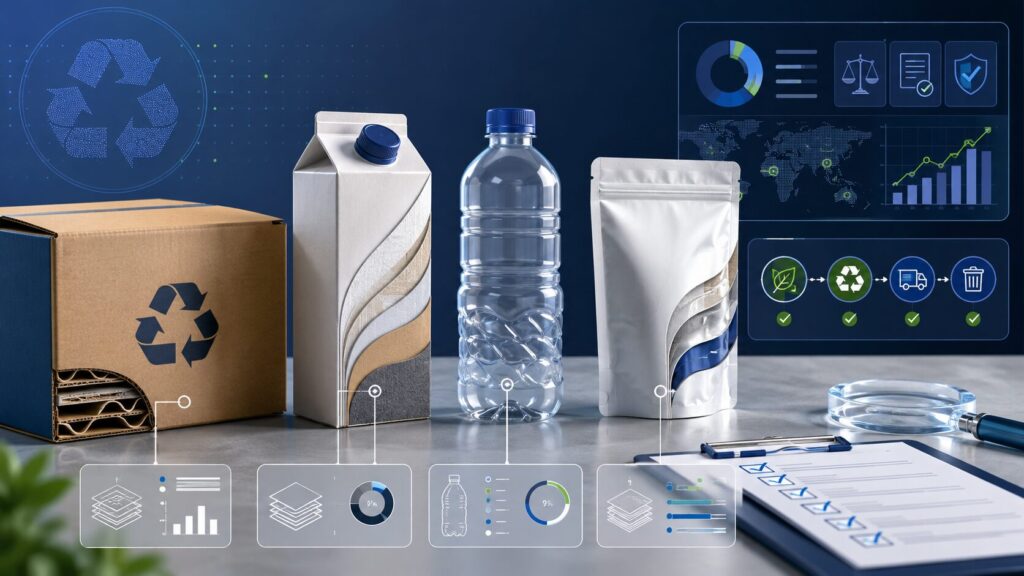
The Recycling Symbol Isn’t a Compliance Strategy For years, food and beverage brands have treated sustainability claims on packaging as a marketing exercise. Print the recycling symbol. Add “made from recyclable materials” to the carton. Maybe mention post-consumer content in a press release. Check the box, move on. That era is over. Extended Producer Responsibility […]
79% of US Manufacturers Say Labor Is Their #1 Problem.
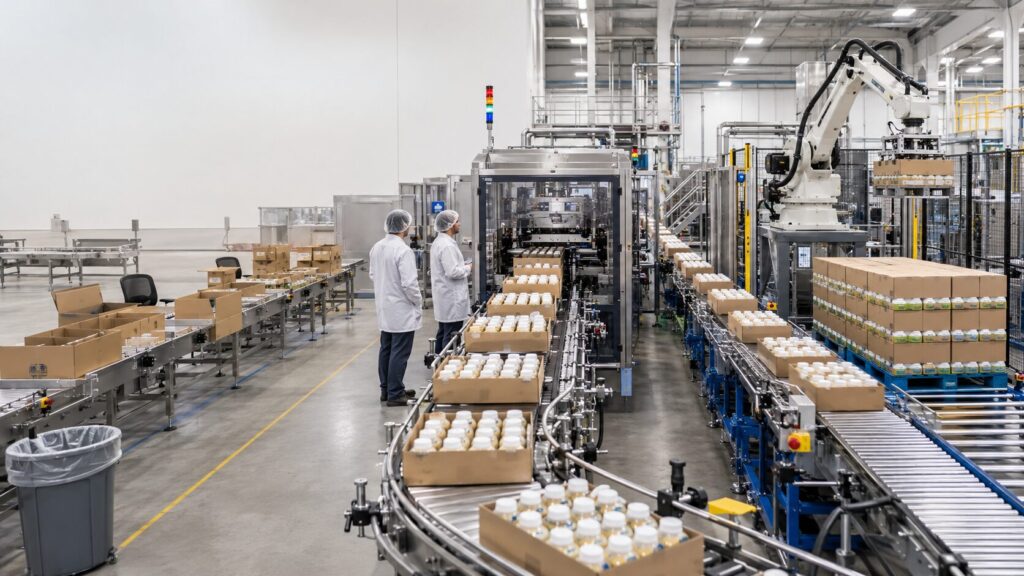
Your Packaging Line Is Probably the Bottleneck. The Hidden Cost of Your Labor Crisis Ask a food and beverage COO what keeps them up at night in 2026, and you’ll hear the same answer across almost every operation: we can’t find people. It’s not a perception problem. It’s a measurable, structural shift in American manufacturing, […]
Physical AI Is Coming to US Packaging Lines – Here’s What Ops Leaders Actually Need to Know.

Open any manufacturing trade publication in 2026 and you will see the same phrase repeated everywhere: Physical AI. It is on the cover of PMMI’s latest report. It was a headline theme at PACK EXPO International. And if you listen to the keynote speakers, it sounds like every packaging line in America will be run […]
Maine Led the Way. Now the Whole Map Is Changing.
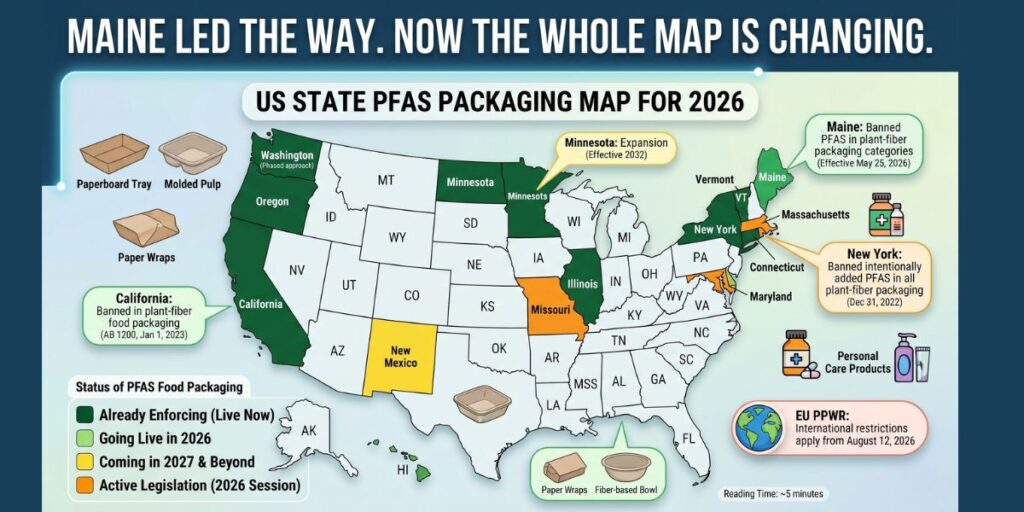
On May 25, 2026, Maine will enforce a ban on PFAS in nine categories of plant-fiber food contact packaging. If your paperboard trays, molded pulp containers, paper wraps, or fiber-based bowls contain intentionally added PFAS above incidental presence, they cannot legally be sold in Maine after that date. But here is the part most food […]