
Insights
PFAS Is Being Banned From Fiber Food Packaging. Is Yours Compliant?
If your product ships in paper, paperboard, or molded-fiber packaging that has to resist grease or moisture, there is a regulatory change worth your attention


If your product ships in paper, paperboard, or molded-fiber packaging that has to resist grease or moisture, there is a regulatory change worth your attention

If your corrugated quotes came back higher this spring, you are not imagining it and you are not being singled out. North American containerboard prices

For a craft beverage brand, most of the attention goes to what’s inside the can or bottle, as it should. But once the liquid is

Selling beverages online is one of the fastest-growing channels in the category, and one of the most punishing. A product that ships fine on a

For decades, the beverage multipack meant plastic: shrink film around a case, or those familiar plastic rings around a six-pack. That is changing fast. Major

You have finished product, safe, shelf-stable jerky or meat sticks. Now it has to become thousands of sealed, dated, retail-ready packs, and then cases and

Most packaged foods in the US are regulated by the FDA. Meat and poultry are not. They fall under the USDA, and the difference is

The meat snack category is booming, and it is diversifying fast. Sales have grown more than 45% in four years to $4.4 billion, beef is

For a meat snack, the package is not just a wrapper. It is the thing standing between a high-protein product and the oxygen, moisture, and

Food and beverage demand does not arrive in a smooth line. A holiday promotion can triple volume in a week. A retailer reset, a viral

When a food or beverage brand outsources packaging to a co-packer, it is also outsourcing its food-safety risk and its retail-audit readiness. If the co-packer

A corrugated box gets most of its stacking strength from one thing: the direction its fibers and flutes run. Paper is far stronger along the

Watch the same person hand-pack fragile components at 8 a.m. and again at 4 p.m. and you will see two different jobs. The morning crate
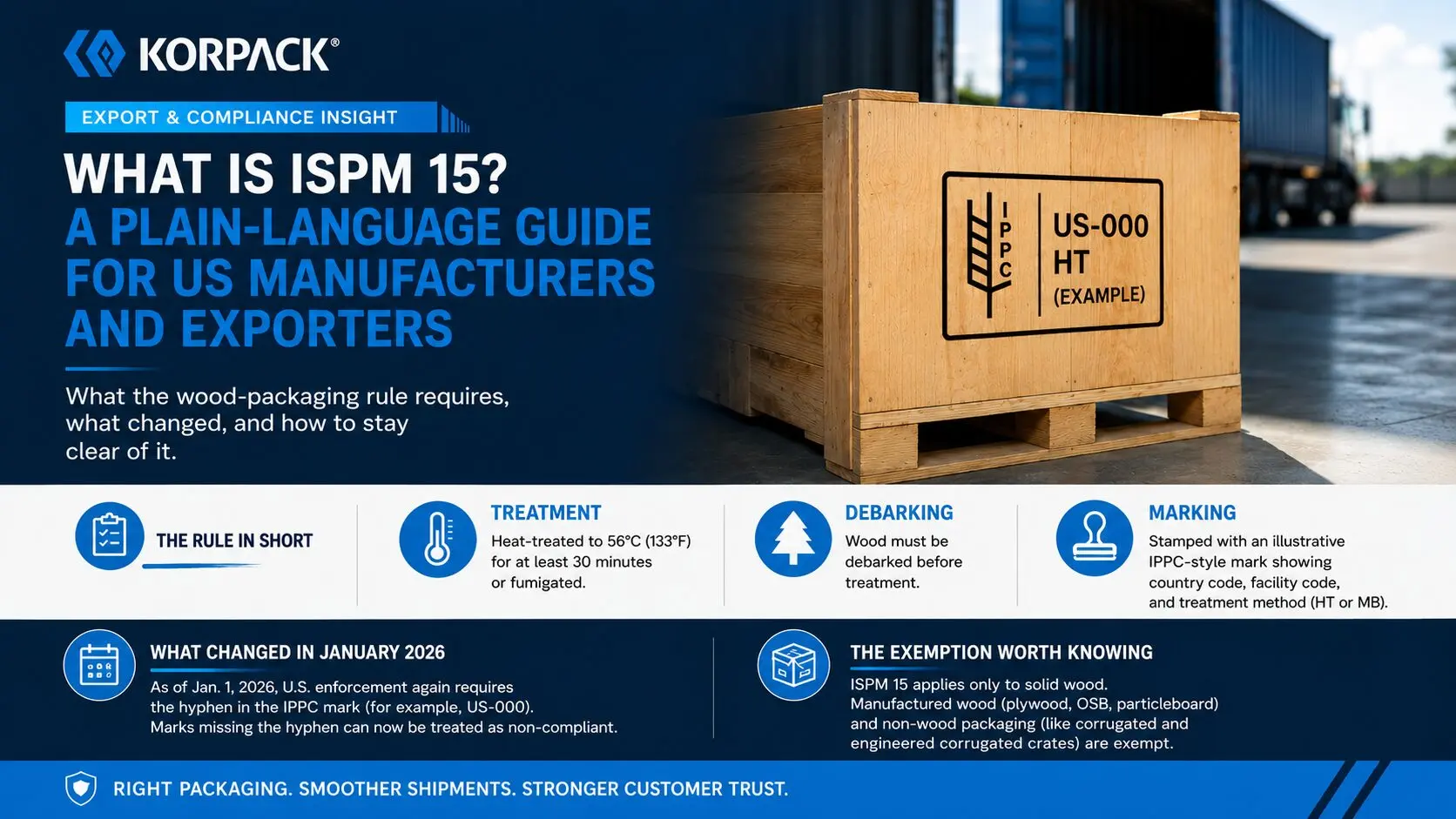
A transformer bushing leaves your dock in good shape. Three weeks later it reaches a customer in another country, they open the crate, and the

A transformer bushing leaves your dock in good shape. Three weeks later it reaches a customer in another country, they open the crate, and the
The US contract packaging market is in the middle of a structural expansion, not a post-pandemic spike. Independent forecasts from Mordor Intelligence and Precedence Research

The Email That Used to Be Enough Isn’t Enough Anymore Five years ago, the relationship between a CPG brand and its co-packer looked like this:
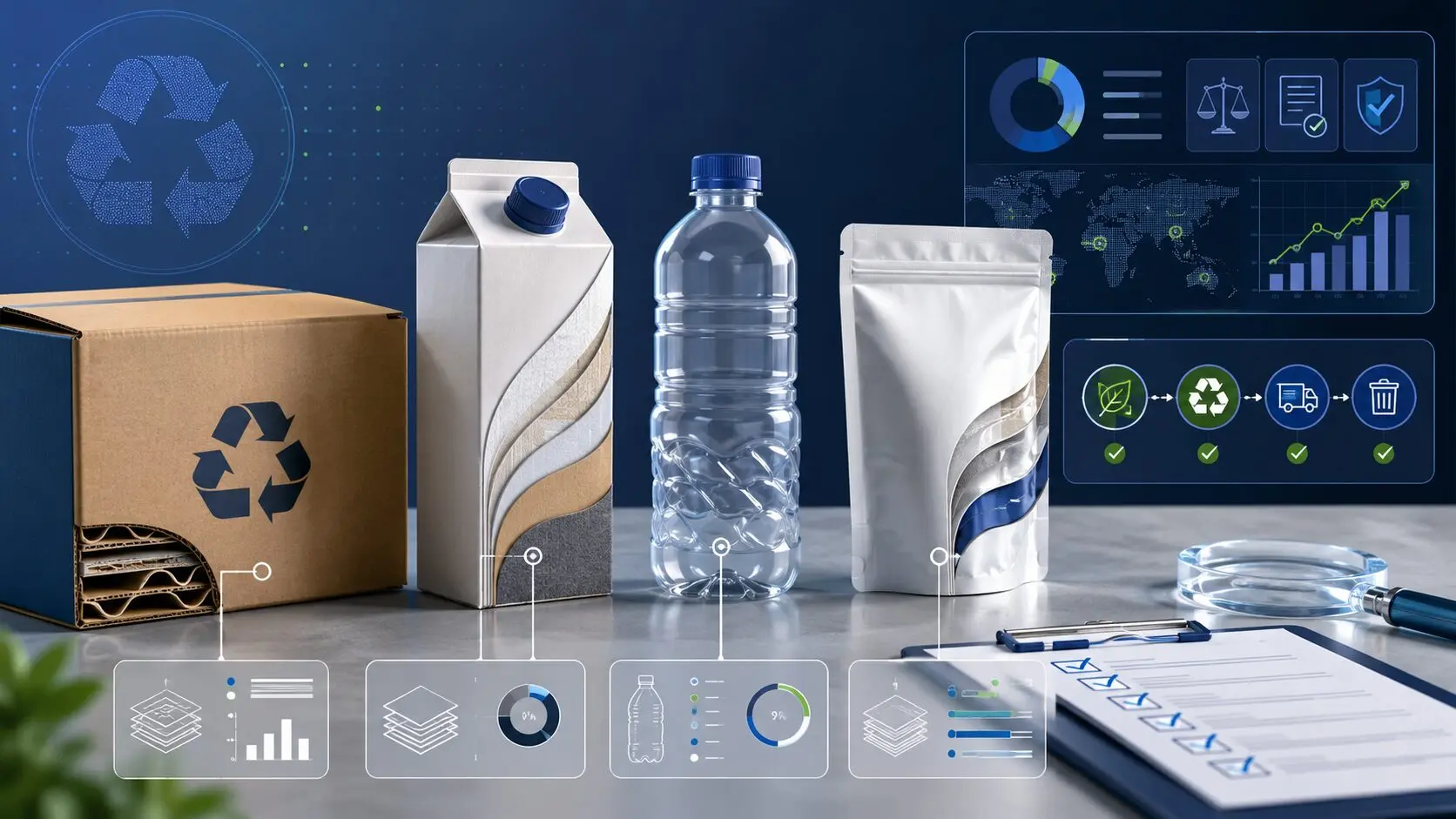
The Recycling Symbol Isn’t a Compliance Strategy For years, food and beverage brands have treated sustainability claims on packaging as a marketing exercise. Print the